Deeplitic vs Umami
A practical look at a focused managed baseline versus a flexible privacy-oriented analytics project.
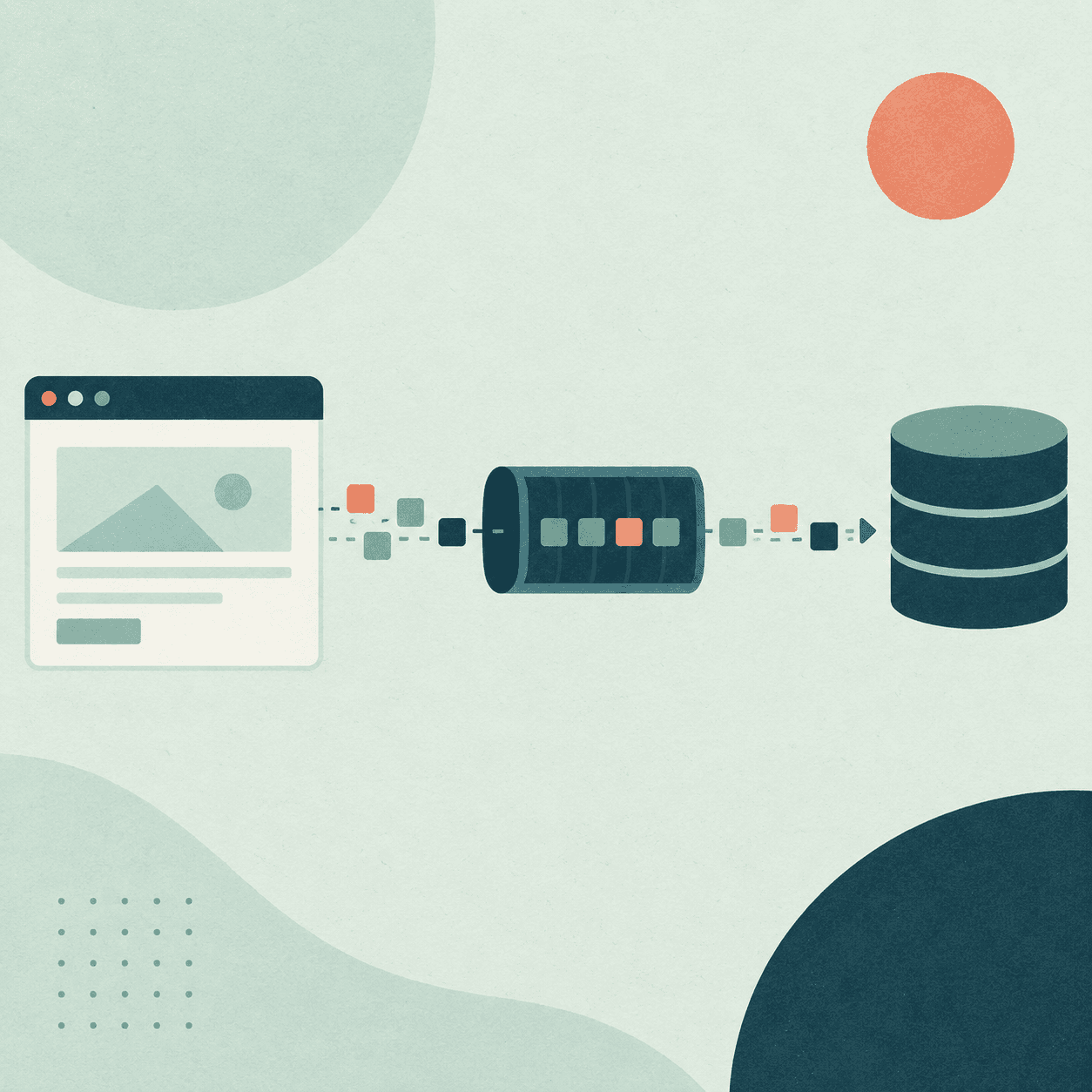
Different tools, different contracts.
| Question | Deeplitic | Umami |
|---|---|---|
| Primary fit | Aggregated, privacy-first traffic baseline | Umami workflow and reporting model |
| Identity model | No visitor profiles by design | Depends on configuration and implementation |
| Best comparison question | What traffic is being observed? | What does Umami count and retain? |
The short version
Umami is attractive to teams that value a lightweight, flexible analytics project and may want more control over deployment. Deeplitic focuses on a productized baseline, structured exports, and a clear story about observed traffic without profiles.
The deployment question matters. Self-hosting can increase control, but it also makes updates, backups, email, monitoring, and incident response part of your team’s job.
Control has a cost
Compare the total operational load, not only the license. Ask who owns the server, what happens when the instance is unavailable, and how you will preserve the data model across updates.
Deeplitic may fit a team that wants a managed path and a defined reporting contract. Umami may fit a team with the engineering capacity and preference for more deployment control.
Who should choose what
Choose Umami when deployment control and project flexibility are priorities. Choose Deeplitic when a managed, opinionated baseline and a calmer operational path are more valuable.